Tankless Water Heater Repair in San Antonio
Your tankless unit stopped putting out hot water, or it's flashing a code you can't decode, and you want it fixed instead of ripped out. Here's the honest version most San Antonio pages won't give you: on SAWS water at 15 to 20 grains per gallon, the overwhelming majority of tankless failures we get called on are scale on the heat exchanger, not a dead unit. Armor Pro Services diagnoses the actual fault on Rinnai, Navien, Rheem, and A.O. Smith tankless heaters, descales the exchanger with a proper flush, and tells you straight when the code points somewhere deeper. Licensed under Texas RMP #36282, locally owned, stocked truck. No upsell on faith.
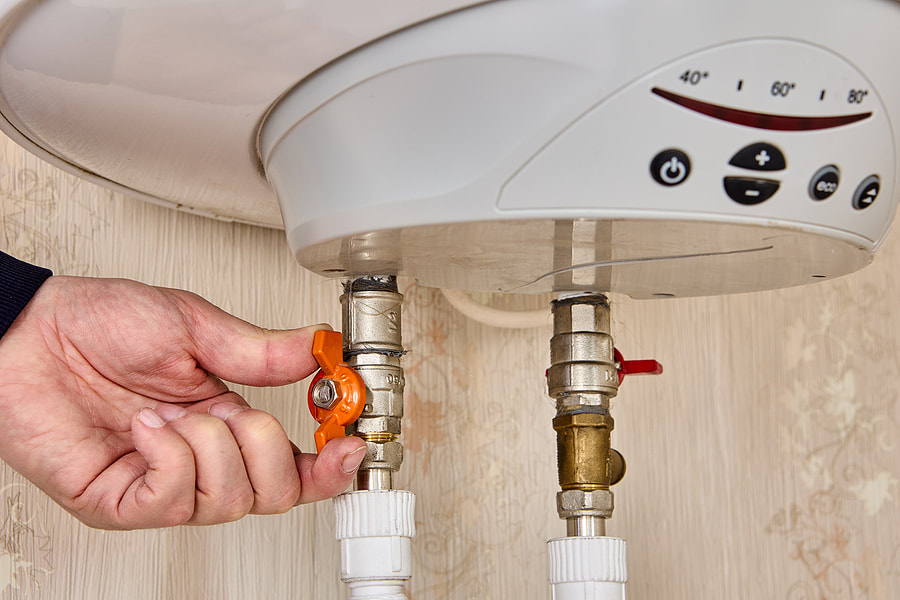
Tankless Water Heater Repair in San Antonio: What Actually Fails Here
A tankless repair in San Antonio starts with one assumption we've earned the hard way: check the heat exchanger for scale before you condemn anything expensive. SAWS water runs 15 to 20 grains per gallon, and every firing cycle bakes a little more mineral onto the exchanger walls. That single fact drives most of what we replace out here. We clear ignition and flame-rod faults, descale clogged heat exchangers, swap flow sensors that read wrong once they're coated, replace igniters, and clear combustion-air and venting codes. We service Rinnai, Navien, Rheem, and A.O. Smith.
SAWS fact: At 15 to 20 grains per gallon, an unflushed San Antonio tankless typically starts throwing scale-related codes inside two to three years, not the five-plus the manufacturer's manual assumes on soft municipal water.
What we won't do is quote you a new unit when a descale and a flow sensor get you hot water the same afternoon. The repair-or-replace call starts with a real diagnosis, not a guess at the door. Read us the code at 210-212-7667 and we'll load the right parts before we roll.
Tankless Water Heater Not Heating? Start Here
A tankless unit that won't produce hot water usually falls into one of a few buckets, and a couple you can rule out yourself in two minutes. Work through these before you call:
- No display, no ignition at all. Check the unit's dedicated breaker and confirm it's getting power. A gas tankless still needs 120V for the control board and fan.
- Fires but water stays lukewarm. Classic scale symptom on SAWS water. The exchanger is coated and can't transfer heat fast enough at your flow rate. This is a descale, not a replacement.
- Cold-water sandwich (hot, then cold, then hot). Often a flow-sensor or minimum-flow-rate issue, common on units feeding a single low-flow fixture. A repair.
- Fires, then shuts down with a code. Read us the number. That code narrows the fault faster than any symptom.
- Gas smell at any point. Stop. Leave the house and call CPS Energy at 1-800-870-1760 before you call anyone else.
If the breaker's on, the gas is on, and you still have no hot water, the unit needs hands on it. Call 210-212-7667 and we'll bring the parts for the most likely fault.
Tankless Water Heater Error Codes: What the Number Means
Every tankless brand throws a numeric code, and the number is the whole map. Here's how we read the families we see most on San Antonio units, though the exact digits vary by model:
- Ignition / flame-failure codes (Rinnai 11, Navien E003 family, Rheem 11): the unit is trying to fire and can't confirm flame. Usually a dirty flame rod, an igniter, a gas-supply or gas-pressure issue, or a fouled burner. Almost always a repair.
- Scale / overheat / exchanger codes (Rinnai 14 and 12 family, Navien E030-range, Rheem 14): the exchanger is running hot or restricted, which on SAWS water points straight at scale. A descale flush is the fix.
- Air-supply / exhaust codes (Rinnai 10 family, Navien E110-range): a blocked intake or exhaust, a failing fan, or a condensate-line clog. Repairable.
- Flow-sensor codes: the unit can't read water flow correctly, often because the sensor itself is scaled. Clean or replace.
The panic-inducing codes homeowners call us about are overwhelmingly scale-related or ignition-related on this water. Those clear with service on a unit rated for 18 to 20 years, not a replacement.
Codes that genuinely point at the gas valve, the fan motor, or the PCB are deeper repairs, but they're still repairs. Read us the code on the display when you call and we'll tell you honestly which side of the line you're on.
Tankless Water Heater Descaling and San Antonio Hard Water
Descaling isn't a maintenance upsell in this market. It's the single service that keeps a tankless unit alive on SAWS water. Here's the mechanism, plainly: hard water at 15 to 20 grains per gallon deposits calcium carbonate on the exchanger every time the burner fires. That scale insulates the exchanger, so the unit works harder to hit the same temperature, efficiency drops, then codes start, then the unit throttles or quits.
How we descale: a proper citric-acid flush through the service ports, not vinegar. We also pull and clean the cold-inlet screen, check the flow sensor, and verify combustion before we leave. A flush that skips the inlet screen leaves half the job undone.
We run descaling as a standalone annual maintenance visit or bundled into a repair when scale is the root cause of the code you're seeing. On SAWS water, annual is the honest interval. A softener upstream stretches practical exchanger life dramatically, and if you don't have one, our water softener installation page explains why it's the real fix instead of an endless flush schedule. Either way: call 210-212-7667 and we'll tell you whether a flush solves it or whether the code is pointing deeper.
Gas BTU Verification: The Step Most Tankless Repairs Skip
When a tankless unit chronically under-heats or nuisance-trips on a flame or air code, scale isn't always the answer. Sometimes the unit was never fed enough gas to begin with. A residential gas tankless can demand 150,000 to 199,000 BTU at full fire, and plenty of San Antonio homes were originally piped for a 40,000-BTU tank. Undersized gas supply or a long, restrictive run starves the burner, and the unit reacts with intermittent flame faults that look like an ignition problem but aren't.
We verify the gas line BTU capacity and the incoming pressure before we chase a phantom ignition fault. If the pipe can't deliver, no amount of part-swapping fixes it. Where a gas correction is part of the repair, we file it through the City of San Antonio Development Services Department under RMP #36282 and pressure-test the line to 10 psi for 15 minutes minimum before relighting anything. That's the difference between a repair that holds and one that throws the same code again in a month.
When Tankless Repair Is the Wrong Call
Straight talk, because it's the fastest way to earn your trust: a tankless repair isn't always the right move, and a few situations mean you should not spend money patching the unit.
- The exchanger has already cracked or is leaking internally. A perforated or cracked heat exchanger on an out-of-warranty unit is a replacement, full stop. No flush fixes a crack.
- The unit has never been descaled, is past roughly 15 years, and is throwing a PCB or gas-valve code. At that age, one deep repair usually invites the next one inside a year.
- It was badly undersized for the house from day one. If a single unit can never keep up with the home's real demand, repairing it just resets the same frustration. That's a sizing conversation, not a repair.
- You're chasing a code on a unit still under manufacturer warranty. Call us and we'll file the claim paperwork, but don't pay out of pocket for a covered part.
If your unit is under warranty, under about 12 years, and the code points at scale, ignition, or a sensor, repair is almost always the smarter money. We'll tell you which camp you're in before you spend a dollar. If replacement genuinely wins, our water heaters page lays out tank versus tankless honestly.
How a Tankless Repair Call Works
Here's the order of operations so you're not guessing:
- You call 210-212-7667 and describe the symptom or read us the error code. We give you a real ETA, not a four-hour window.
- The tech arrives stocked for the most common tankless faults: a descale flush kit, flame rods, igniters, flow sensors, and combustion-side parts.
- We diagnose the actual failure and give you a written, upfront price before any work starts. You approve it or you don't.
- We make the repair, then test it: we confirm the unit fires cleanly, holds output at the set temperature, and clears the code under a live draw.
- We clean up and confirm the warranty. Workmanship is backed for one year in writing, and parts follow the manufacturer's terms.
Most tankless repairs are one trip because we stock for them. Calls placed by early afternoon on weekdays are typically reached the same business day for addresses inside Loop 1604, with next-morning first call common for outlying parts of the service area like Helotes and Schertz. Not sure if it's urgent? Tell us what's going on and we'll come back with a straight answer.
Frequently asked
How much does tankless water heater repair cost in San Antonio?
It depends entirely on the fault. A descale flush is a modest, common service on SAWS water. A flow sensor or igniter is a mid-range repair. A gas valve or control board is a deeper one. The honest rule we use: if the repair quote climbs past about 50 percent of a new unit on a heater near the end of its life, replacement is the smarter money. We diagnose the actual problem and give you a firm, written price before any work starts, so you decide with real numbers. We don't quote exact prices in body copy because the part and the access drive the cost. Call 210-212-7667 for a diagnosis.
My tankless water heater is not heating. Is it repairable?
Usually, yes. On San Antonio's 15 to 20 grain-per-gallon SAWS water, the most common reason a tankless unit stops heating or only produces lukewarm water is scale on the heat exchanger, which is a descale, not a replacement. Lukewarm output, a cold-water sandwich, or a scale or overheat error code all point at repairable faults. First check that the unit's breaker is on and the gas is supplied. If those are fine and you still have no hot water, read us the display code at 210-212-7667 and we'll bring the parts for the likely fault.
What do tankless water heater error codes mean?
The number is the map. Broadly: ignition and flame-failure codes mean the unit can't confirm flame, usually a dirty flame rod, igniter, or gas-supply issue, and are almost always repairs. Scale or overheat codes mean the exchanger is restricted, which on SAWS hard water points straight at scale and clears with a descale flush. Air-supply and exhaust codes mean a blocked intake, a failing fan, or a condensate clog. Flow-sensor codes often mean the sensor itself is scaled. Exact digits vary by brand: Rinnai, Navien, and Rheem all number differently. Read us the code on the display when you call and we'll tell you which family it's in.
How often should a tankless water heater be descaled in San Antonio?
Annually. San Antonio water runs 15 to 20 grains per gallon per SAWS, and that hardness scales a tankless heat exchanger fast, often inside two to three years without a flush. Skip it and you'll see efficiency loss, then error codes, then a unit that throttles or quits. We run a proper citric-acid flush, not vinegar, clean the cold-inlet screen, and verify combustion. A softener upstream stretches practical exchanger life a lot, but even with one, an annual flush is cheap insurance on a unit you want to last 18 to 20 years.
Do you repair Rinnai, Navien, and Rheem tankless units?
Yes. We diagnose and repair tankless units from Rinnai, Navien, Rheem, and A.O. Smith, which covers most of what we find in San Antonio utility closets and garages. On these brands, most error codes that look alarming are scale-related or ignition-related and clear with service rather than replacement, especially on SAWS-hard water. Read us the error code on the display when you call so we load the right parts. If your unit is still under manufacturer warranty, we file the claim paperwork for you.
Can you get to me the same day for a tankless unit with no hot water?
Often, yes. No hot water is disruptive and we prioritize it. Calls placed by early afternoon on weekdays are typically dispatched the same business day for most addresses inside Loop 1604, with next-morning first call common for outlying parts of the service area like Helotes and Schertz. We give you a specific ETA when you call, not a vague window. Call 210-212-7667 and we'll tell you honestly when we can reach you.