Expansion Tank Replacement in San Antonio
Armor Pro Services replaces failed and waterlogged thermal expansion tanks across San Antonio, most on a single same-day visit. Almost every home behind a pressure-reducing valve on SAWS service is a closed system that needs a working expansion tank, or thermal pressure pushes back through your relief valve and shortens the water heater. We test the pressure, size and pre-charge the tank, and make the swap. Licensed under Texas RMP #36282, quoted in writing before we touch anything.
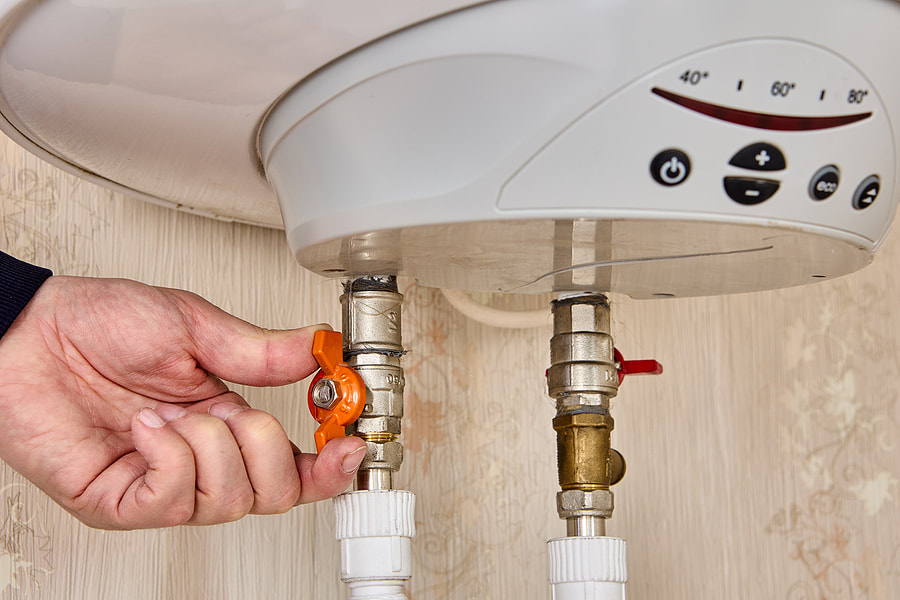
Expansion Tank Replacement: What the Job Actually Involves
A standard expansion tank changeout takes about 45 minutes to an hour on a straightforward install. We start with a pressure gauge at the tank tee or a hose bibb, because the tank has to be pre-charged to match your static house pressure before it goes on the line, usually somewhere between 50 and 65 psi to match a properly set PRV. Skip that step and the tank fails early no matter how new it is.
We shut the water, drain enough of the system to relieve pressure, remove the failed tank from the cold supply above the heater, and thread in a correctly sized replacement, most residential setups take a 2-gallon tank, larger volumes need a 4.4-gallon. We support the tank so its weight is not hanging on the copper or PEX, set the air charge with a bicycle-style pump before it sees water, then bring the system back up and confirm the relief valve stops weeping. On the way out we recheck static and hot-side pressure so you know the closed-system loop is actually doing its job. Where the scope ties into a water heater changeout or a gas correction, we file the permit through the City of San Antonio Development Services Department under RMP #36282.
Signs of a Failed Expansion Tank
A failed tank shows itself in a few consistent ways, and once you know them the diagnosis is quick. The tank has a rubber bladder separating an air charge from the water side, and when that bladder tears or the air charge bleeds off, the tank waterlogs and stops absorbing anything. Here is what you notice.
- The temperature-and-pressure relief valve on the water heater drips or spits, especially right after a hot shower when the heater has just cycled.
- The tank feels heavy and sounds solid when you tap the bottom half, instead of the hollow ring a healthy tank gives across its whole body.
- You hear pipes bang or knock when a fixture shuts.
- Your water pressure reads normal cold but climbs well past 80 psi after the heater runs.
Any one of those points at the tank. The waterlogged-tank tap test is the fastest field check: a good tank rings hollow up top where the air is and dull down low where the water sits, a dead tank is dull all the way up because it is full of water. If yours is dull top to bottom, the bladder is gone.
Do I Need an Expansion Tank in San Antonio?
For most San Antonio homes, yes, and it is not optional. Here is the code logic in plain terms. SAWS installs a backflow-prevention check or you have a pressure-reducing valve at the meter, and either one turns your plumbing into a closed system, meaning water heated in the tank cannot push back out toward the street the way it could on an old open system. Water expands when it heats. In a closed system that expansion has nowhere to go, so the code requires a thermal expansion tank to absorb it. That requirement lands on nearly every home built or re-plumbed in the last couple of decades across the metro, and it is exactly why the newer subdivisions toward Live Oak and out along Loop 1604 have them as standard equipment. If your home has a PRV and no expansion tank, or a tank that has quietly failed, you are running a closed system with no relief, and that is the setup an inspector flags on a water heater final or a resale inspection. If you are not sure whether you have a closed system, we can tell you in one pressure test.
Why San Antonio Water Kills Expansion Tanks Early
Expansion tanks are rated for years of service, but out here they rarely reach it, and the reason is the water. SAWS runs 15 to 20 grains per gallon across the metro, hard enough that mineral works into the tank's air-water bladder and into the tank tee fitting, and hard water combined with the pressure cycling of a closed system wears the bladder from both sides. We see tanks waterlog in as little as 12 to 24 months on homes with no softener ahead of the heater, well short of the lifespan the box promises. The fix is not a fancier tank, it is matching the tank to the conditions: correct pre-charge, correct size, and where it makes sense, a water softener upstream to take the hardness load off the whole hot-water side. On homes we have already softened, expansion tanks last the way they are supposed to. That is the pattern we keep seeing, and it is why we always check whether the house is softened before we blame the tank.
Expansion Tank and PRV: Why They Are a Pair
These two parts do opposite halves of the same job, and replacing one without checking the other is the shortcut that brings us back in a year. The pressure-reducing valve, or PRV, knocks incoming street pressure down to a safe household range and, in doing so, creates the closed system. The expansion tank then absorbs the thermal expansion that the closed system can no longer vent. So a PRV without an expansion tank is a closed system with no relief, and an expansion tank set to the wrong pressure is a tank that cannot keep up with the PRV. When we replace an expansion tank we always verify the PRV is holding and read the static pressure, because a PRV that has drifted high forces the tank to fight pressure it was never sized for. If the PRV is the real problem, we handle that on our water pressure regulator page. Doing both right, in one visit, is how you stop the relief valve from weeping for good.
When Replacement Is the Wrong Call
Not every dripping relief valve means you need a new expansion tank, and we will tell you when you do not. If your tank is only a year or two old, still rings hollow on top when you tap it, and the drip only shows up occasionally, the more likely culprit is a PRV set too high or a relief valve at the end of its own life, and swapping the expansion tank fixes nothing. If your relief valve is weeping and the water is scalding, the real problem may be a thermostat stuck high, which is a heater repair, not a tank job. And if you called because an inspector's note simply says verify expansion tank and yours is present, correctly sized, and holding pre-charge, you do not need us to replace anything, you need the reading confirmed, which we can do quickly. We would rather test and tell you the tank is fine than sell you a part you do not need. Check the static pressure and the tank's air charge before assuming the tank is the problem, and if you want a second set of eyes, that is what the diagnosis is for.
How an Expansion Tank Call Works
Here is the order of operations so you are not guessing.
- First, you call and describe what is happening: a dripping relief valve, a heavy or waterlogged tank, banging pipes, or an inspector's note. If the relief valve is actively spraying or the heater area is wet, treat it as urgent and we prioritize it.
- Second, the tech arrives stocked for the common job, correctly sized tanks and the fittings to set them, so most calls are one trip.
- Third, we test static and post-heating pressure, tap-test the existing tank, and confirm whether the tank, the PRV, or the relief valve is the actual fault.
- Fourth, you get a written, upfront price before any work starts, and you approve it or you do not.
- Fifth, we make the swap, pre-charge the new tank to match your house pressure, bring the system back up, and confirm the relief valve stays dry through a full heating cycle before we leave.
Workmanship is backed for one year in writing, and the tank itself follows the manufacturer's terms. If the fault turns out to be a heater or a PRV instead, we tell you straight and quote that scope the same way.
Frequently asked
How much does an expansion tank replacement cost in San Antonio?
It depends on the tank size your system needs, whether the PRV or relief valve also needs attention, and how the heater is plumbed. A straightforward 2-gallon changeout on an accessible cold line is a modest job. A larger 4.4-gallon tank, a tight closet install, or a paired PRV repair costs more. We do not quote an exact number in body copy because the size and the access drive the price, and a number without a look creates false expectations. Call 210-212-7667 for a free estimate and we give you a firm, written price before any work starts.
What are the symptoms of a waterlogged water heater expansion tank?
A waterlogged tank has lost its air charge, so it is full of water and absorbs nothing. The clearest signs are a temperature-and-pressure relief valve that drips or spits after the heater cycles, a tank that feels heavy and sounds dull and solid when you tap the whole body instead of ringing hollow on top, banging pipes when a fixture shuts, and house pressure that climbs past 80 psi after hot water is used. The fastest field check is the tap test: a healthy tank rings hollow up high where the air sits and dull down low, while a waterlogged tank is dull top to bottom. If yours is dull all the way up, the bladder has failed.
Is an expansion tank required by code in San Antonio?
In most cases, yes. If your home has a pressure-reducing valve or a backflow-prevention check on the SAWS service connection, your plumbing is a closed system, and Texas plumbing code requires a thermal expansion tank to absorb the water that expands as your heater heats it. Nearly every home built or re-plumbed in the last couple of decades across the metro qualifies. That is why an inspector flags a missing or failed expansion tank on a water heater final or a resale inspection. If you are unsure whether your home is on a closed system, one pressure test at the tank tee answers it.
How long do expansion tanks last on San Antonio water?
Less than the box promises, unfortunately. On SAWS water at 15 to 20 grains per gallon, we see expansion tanks waterlog in as little as 12 to 24 months on homes with no softener ahead of the heater, well short of their rated life. Hard water and the constant pressure cycling of a closed system wear the internal bladder from both sides. On homes that already have a water softener protecting the hot-water side, the tanks last the way they are supposed to. If you keep replacing expansion tanks every year or two, the water, not the tank brand, is usually the reason.
Can I replace an expansion tank myself?
Mechanically it is a small job, but the step most people skip is the one that matters: the tank has to be pre-charged with air to match your home's static pressure, usually 50 to 65 psi, before it ever sees water. Install it at the factory charge without checking, or hang its weight off the copper without support, and it fails early or stresses the fitting. It also has to be sized correctly for your system volume. On a closed system tied to a code requirement, getting the pre-charge and the size right is the whole point. If you want it done once and done right, we set the charge, size the tank, and confirm the relief valve stays dry before we leave.
Why does my water heater relief valve keep dripping?
The most common cause on a San Antonio home is a failed or waterlogged expansion tank on a closed system. When the tank can no longer absorb thermal expansion, pressure spikes every heating cycle and pushes out the relief valve, which is doing its job. A PRV set too high or a relief valve at the end of its own life can also cause it, and a thermostat stuck high can make the valve weep hot water. We test static and post-heating pressure and tap-test the tank to find which one it is, rather than swapping parts and hoping. Call 210-212-7667 and we diagnose the actual cause.